
Refugee-Led Economic Models 起業から協同組合へ ― 難民主導でつくる持続可能な経済 Ι Refugee-Led Economic Models ー From Entrepreneurship to Cooperative Futures
※ The English version follows below.
◆イベント概要
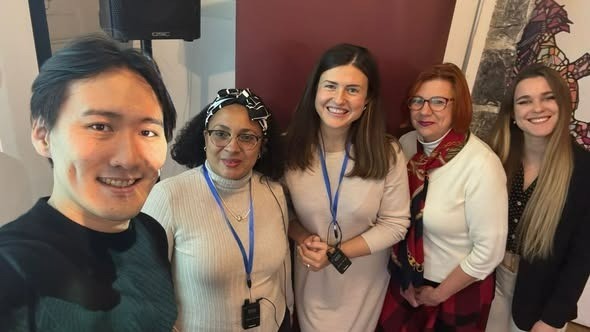
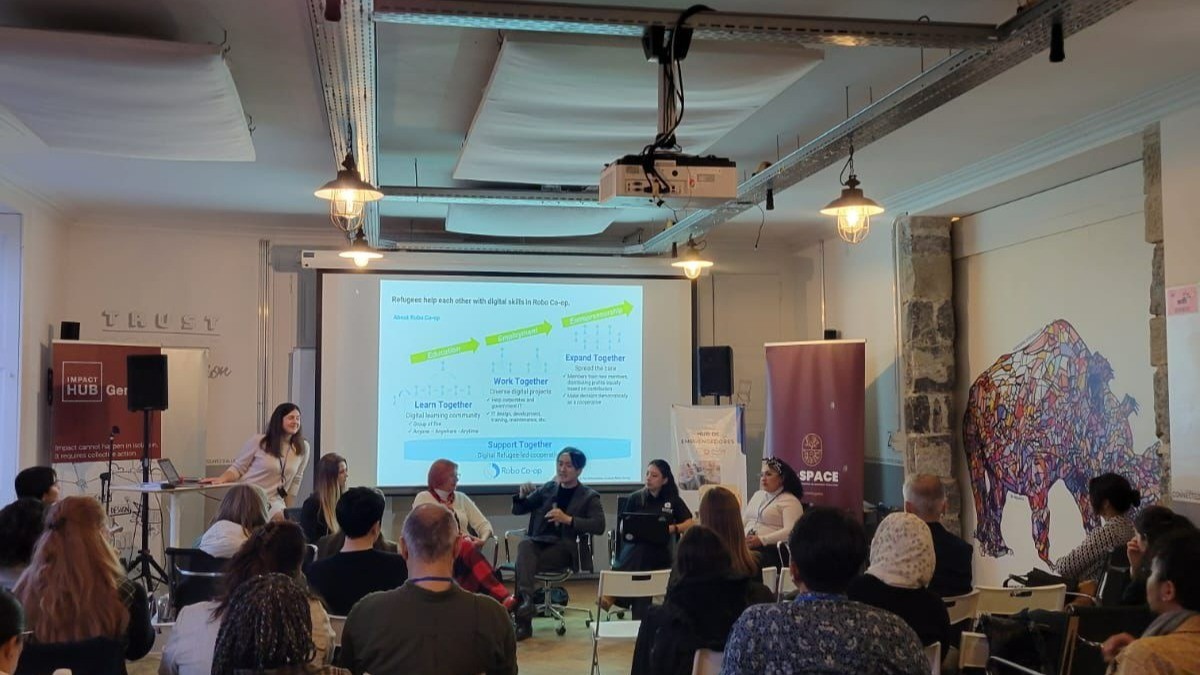
2025年12月15日、Robo Co-opは Global Refugee Forum(GRF)Week の関連セッションとして、難民主導組織および社会的企業と共に
「Refugee-Led Economic Models: From Entrepreneurship to Cooperative Futures」 を開催しました。
本セッションには、日本、パナマ、スイス、ウクライナなど複数地域から、難民主導の協同組合や起業家、実践者が参加し、国や地域を越えた知見共有と対話が行われました。
◆人道支援の先にある経済モデルを考える
近年、世界的に人道支援の縮小が進むなか、難民の経済的自立をいかに実現するかが大きな課題となっています。
本セッションでは、短期的な支援に依存するのではなく、尊厳・主体性・持続可能性を中心に据えた経済モデルへの転換が強調されました。
議論の中では、難民主導の起業や社会的企業、協同組合が、単なる雇用創出にとどまらず、コミュニティ全体のレジリエンスを高める仕組みとして機能していることが共有されました。
◆難民主導協同組合の可能性
特に注目されたのが、協同組合という形態が持つ可能性です。
協同組合は、利益の最大化を目的とするのではなく、構成員一人ひとりの参加と意思決定を重視します。
この仕組みは、法的制約や資金調達、調達市場へのアクセスといった構造的課題に直面する難民にとって、集団的な力を発揮できる現実的な選択肢となり得ます。
参加者からは、協同組合が
- ▫経済活動への参加
- ▫スキルや経験の共有
- ▫リーダーシップの育成
を同時に可能にする点が指摘されました。
◆構造的課題と制度への問い
一方で、難民主導の経済活動は、法制度、金融アクセス、公共・民間調達制度など、既存の仕組みの中で多くの制約を受けています。
本セッションでは、こうした構造的課題を可視化し、政策や制度がどのように難民主導の取り組みを後押しできるかについても意見交換が行われました。
難民主導組織を「例外的な存在」として扱うのではなく、経済の正当な担い手として位置づける視点の重要性が共有されました。
◆Robo Co-opの関わりと意義
Robo Co-opは、難民主導・協同組合モデル・デジタル活用を軸に、包摂的な働き方と経済参加の実践に取り組んできました。
本セッションへの参画は、Robo Co-opにとって、自らの実践を国際的な文脈の中で共有すると同時に、各地域の難民主導組織と学び合う機会となりました。
また、Global Compact on Refugees の実装を、現場から具体的に進める取り組みの一環でもあります。
◆おわりに
本セッションを通じて、難民主導の協同組合や経済モデルは、単なる代替案ではなく、これからの包摂的経済を形づくる重要なアプローチであることが確認されました。
Robo Co-opは今後も、パートナーとの協働を通じて、難民が自らの力で未来を切り拓くための持続可能な経済モデルの構築に取り組んでいきます。
◆Event Overview
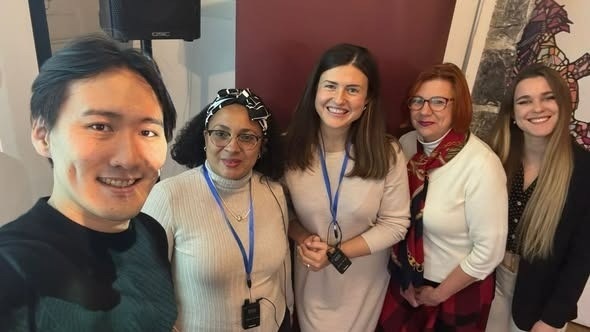
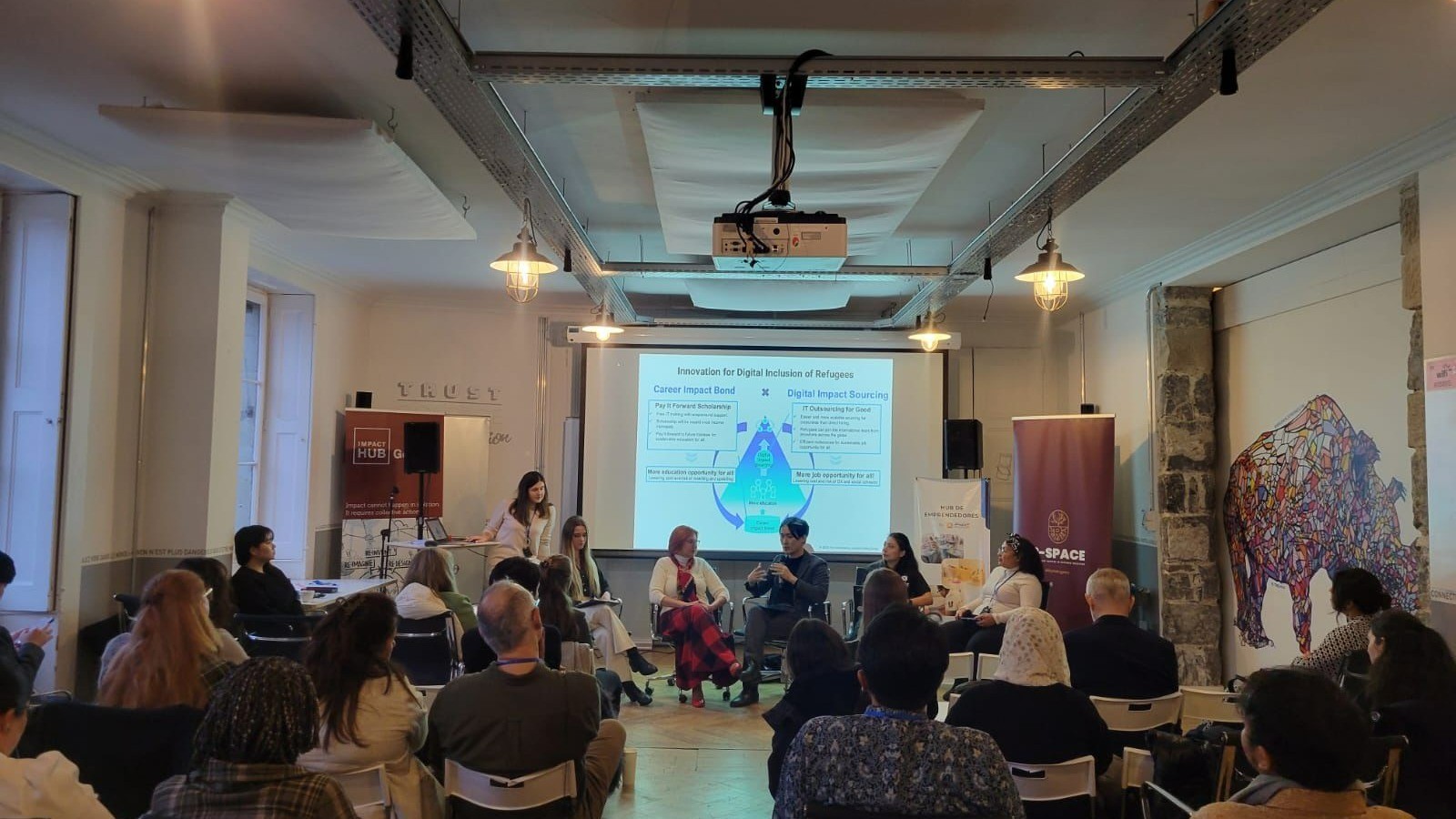
On 15 December 2025, during Global Refugee Forum (GRF) Week, Robo Co-op hosted the session
“Refugee-Led Economic Models: From Entrepreneurship to Cooperative Futures,”
bringing together refugee-led organizations and social enterprises to engage in cross-regional dialogue.
Participants joined from multiple regions, including Japan, Panama, Switzerland, and Ukraine, creating a platform for peer exchange on refugee-led economic initiatives and cooperative futures.
◆Rethinking Economic Models Beyond Humanitarian Aid
As global humanitarian assistance continues to decline, ensuring pathways toward economic self-reliance for refugees has become an increasingly urgent challenge.
This session emphasized the need to move beyond short-term aid toward sustainable economic systems centered on dignity, agency, and long-term impact.
Discussions highlighted how refugee-led entrepreneurship, social enterprises, and cooperative initiatives are not only generating income, but also strengthening community resilience and collective capacity.
◆The Potential of Refugee-Led Cooperatives
A central focus of the session was the role of cooperative models in refugee-led economic activity.
Unlike profit-maximization models, cooperatives prioritize participation, shared ownership, and democratic decision-making. For refugees facing legal, financial, and market-access barriers, cooperative structures can offer a practical and collective pathway to economic participation.
Participants emphasized that refugee-led cooperatives enable:
- ▫Meaningful access to economic activity
- ▫Sharing of skills, knowledge, and experience
- ▫Leadership development within refugee communities
These elements contribute not only to livelihoods, but also to social inclusion and empowerment.
◆Structural Constraints and Policy Considerations
At the same time, refugee-led economic initiatives continue to face significant structural constraints, including limitations within legal frameworks, access to finance, and public and private procurement systems.
The session created space to examine these barriers and to discuss how policies and institutional frameworks can better support refugee-led organizations.
Participants stressed the importance of recognizing refugee-led initiatives not as exceptional cases, but as legitimate and valuable actors within economic systems.
◆Robo Co-op’s Role and Perspective
Robo Co-op engages in practical implementation of inclusive economic participation through refugee leadership, cooperative models, and the use of digital technologies.
By hosting this session, Robo Co-op aimed to contribute field-based insights to international discussions, while learning from the diverse experiences of refugee-led organizations across regions.
The event also reflected Robo Co-op’s commitment to advancing the implementation of the Global Compact on Refugees through partnership-driven and practice-oriented approaches.
Conclusion
The session reaffirmed that refugee-led economic models and cooperative approaches are not marginal alternatives, but essential components of inclusive and sustainable economic futures.
Robo Co-op will continue to work alongside partners to strengthen refugee-led initiatives and to support economic systems in which refugees can actively shape their own futures.